

What is the fire - rating of a fire - resistant protective fitting?
Aug 21, 2025
What is the fire - rating of a fire - resistant protective fitting?
As a supplier of protective fittings, I often encounter inquiries about the fire - rating of our products. Fire - resistant protective fittings play a crucial role in various industries, especially in those where fire safety is of utmost importance. In this blog, I will delve into what fire - rating means for fire - resistant protective fittings, how it is determined, and why it matters.
Understanding Fire - Rating
Fire - rating is a standardized measure that indicates a material's ability to resist the spread of fire and withstand its effects for a specified period. For fire - resistant protective fittings, this rating is a key indicator of their performance in a fire situation. It is typically expressed in terms of time, such as 30 minutes, 60 minutes, or 120 minutes.
The fire - rating of a protective fitting is determined through rigorous testing procedures. These tests simulate real - world fire conditions, including exposure to high temperatures, flames, and smoke. During the test, the fitting is subjected to a controlled fire, and its performance is evaluated based on several criteria. One of the main criteria is the integrity of the fitting. This means that the fitting should not allow flames or hot gases to pass through it during the specified fire - rating period. Another important criterion is the insulation provided by the fitting. It should prevent the transfer of heat to the surrounding environment, which could potentially cause damage to other equipment or start secondary fires.
Importance of Fire - Rating for Protective Fittings
In industries such as electrical, oil and gas, and construction, fire - resistant protective fittings are essential for ensuring the safety of personnel and the protection of valuable assets. For example, in an electrical system, fire - rated protective fittings can prevent the spread of fire from one part of the system to another. This is crucial because electrical fires can be particularly dangerous, as they can cause short - circuits, damage equipment, and even lead to explosions.
In the oil and gas industry, where flammable substances are present, fire - resistant protective fittings are used to protect pipelines, valves, and other equipment. A high - quality fire - rated fitting can withstand the intense heat and flames generated by an oil or gas fire, preventing the leakage of these substances and reducing the risk of a major fire or explosion.
In construction, fire - rated protective fittings are used in buildings to comply with fire safety codes. These fittings are installed in walls, floors, and ceilings to create fire - resistant barriers. By using fire - rated protective fittings, architects and builders can ensure that the building has a certain level of fire protection, which is required by law in many areas.
Our Range of Fire - Resistant Protective Fittings
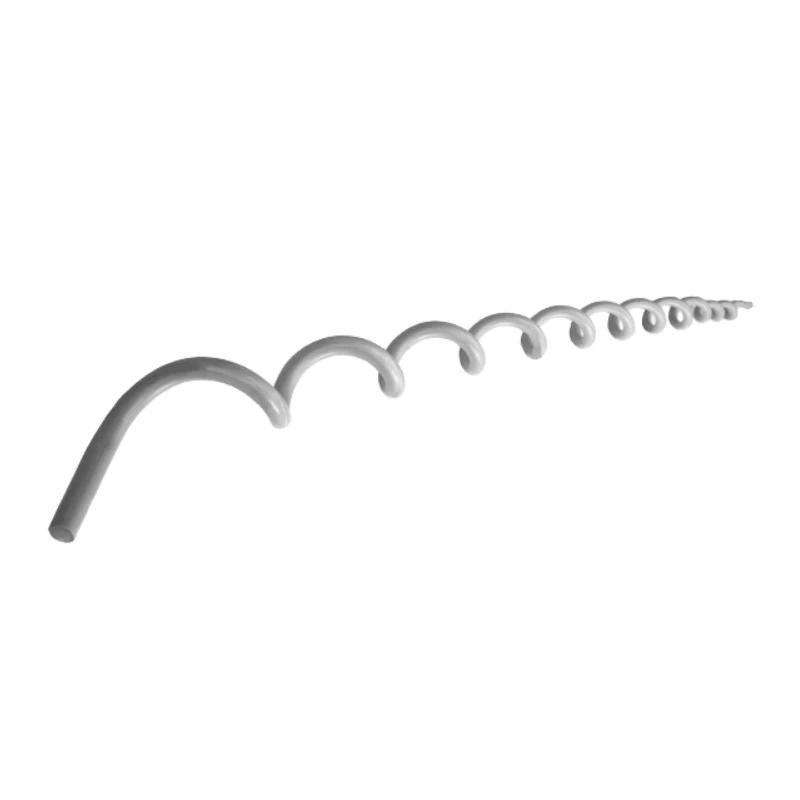
As a protective fitting supplier, we offer a wide range of fire - resistant products. Our Helical Armor Rod is designed to provide mechanical protection to optical cables while also having excellent fire - resistant properties. It is made from high - quality materials that can withstand high temperatures and prevent the spread of fire along the cable.
Our Corona Coils are another important product in our fire - resistant lineup. These coils are used to reduce corona discharge in high - voltage electrical systems. They are also designed to be fire - resistant, ensuring that they can continue to function properly even in the event of a fire.
The Spiral Vibration Damper is yet another product that we offer. It is used to reduce vibration in power lines and other structures. Our spiral vibration dampers are made from fire - resistant materials, which means they can provide long - term protection in fire - prone environments.
Determining the Right Fire - Rating for Your Needs
When choosing fire - resistant protective fittings, it is important to determine the appropriate fire - rating for your specific application. This depends on several factors, such as the type of industry, the location of the fitting, and the potential fire hazards.
For example, in a high - risk environment such as an oil refinery, a higher fire - rating may be required. On the other hand, in a less hazardous environment such as an office building, a lower fire - rating may be sufficient. It is also important to consider the local fire safety codes and regulations, as these may specify the minimum fire - rating requirements for certain applications.
To help our customers make the right choice, we have a team of experts who can provide technical advice and guidance. We can assess your specific needs and recommend the most suitable fire - resistant protective fittings for your project.
Conclusion
The fire - rating of a fire - resistant protective fitting is a critical factor that determines its performance in a fire situation. It is important to understand what fire - rating means, how it is determined, and why it matters. As a protective fitting supplier, we are committed to providing high - quality fire - resistant products that meet the needs of our customers.
If you are in the market for fire - resistant protective fittings, we invite you to contact us for more information. Our team of experts is ready to assist you in choosing the right products for your application and to provide you with the best possible service. Whether you need Helical Armor Rod, Corona Coils, or Spiral Vibration Damper, we have the solutions you need. Let's work together to ensure the safety and reliability of your projects.

References
- National Fire Protection Association (NFPA). Fire Protection Handbook.
- International Building Code (IBC). Building Safety Codes.
- Underwriters Laboratories (UL). Standards for Fire - Rated Products.