

What are the requirements for medical - grade protective fittings?
Jan 16, 2026
Hey there! I'm a supplier of protective fittings, and today I want to chat about the requirements for medical - grade protective fittings. It's a topic that's super important, especially in the current health - conscious world we live in.
First off, let's talk about why medical - grade protective fittings are so crucial. They're used in a variety of medical settings, from hospitals to clinics, and even in home healthcare. These fittings help protect patients, medical staff, and the general public from the spread of diseases and infections. So, getting the requirements right is no small feat.
Material Quality
One of the most fundamental requirements for medical - grade protective fittings is the quality of the materials. The materials used must be non - toxic. This means that they won't release any harmful chemicals or substances that could cause health problems for the people using or coming into contact with the fittings. For example, if a medical mask is made from a material that releases toxic fumes, it's going to do more harm than good.
The materials also need to be hypoallergenic. A lot of people have sensitive skin, and using a protective fitting that causes an allergic reaction is just not an option. Whether it's a glove, a face shield, or a bandage, the material should be gentle on the skin.
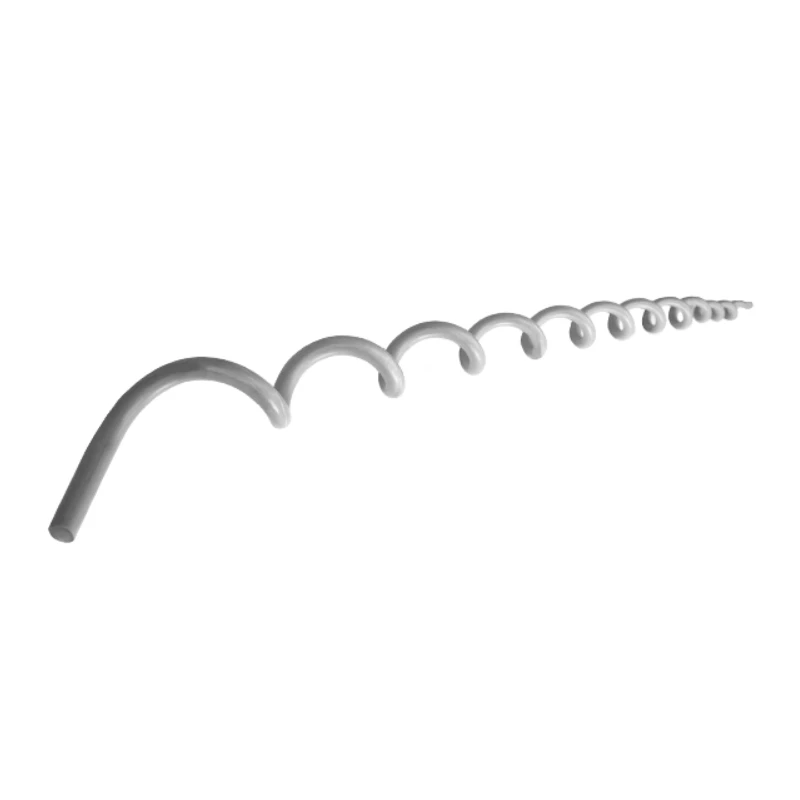
In addition to being non - toxic and hypoallergenic, the materials must be durable. Medical - grade protective fittings often go through a lot of wear and tear. Gloves are used for multiple procedures, and face shields may be cleaned and reused. So, they need to be able to withstand repeated use without falling apart. For instance, a Spiral Vibration Damper used in some medical equipment needs to be made of a strong material to ensure it can function properly over time.
Performance Standards
Medical - grade protective fittings have to meet strict performance standards. Let's take masks as an example. They need to have a high filtration efficiency. This means they can effectively filter out harmful particles, such as bacteria and viruses. The filtration efficiency is usually measured in percentage, and medical - grade masks typically have a very high percentage, often above 95%.
Respirators, which are a type of mask, also need to have a proper seal. A good seal ensures that the air a person breathes in goes through the filter and not around the edges of the mask. If there's a leak, the mask won't be as effective in protecting the wearer.
For gloves, they need to be puncture - resistant. Medical staff often handle sharp objects, like needles, and a punctured glove can expose them to dangerous pathogens. The gloves also need to have good tactile sensitivity. This allows medical professionals to perform delicate procedures with precision.
Sterility
Sterility is another key requirement for medical - grade protective fittings. In a medical environment, there's a high risk of infection, so the fittings need to be free from any microorganisms. Some fittings, like surgical gowns and drapes, are usually sterilized before use. This can be done through methods such as steam sterilization or radiation sterilization.
Even non - disposable fittings need to be easy to clean and disinfect. After each use, they should be able to be thoroughly cleaned to prevent the spread of germs. For example, a Corona Coils used in medical equipment may need to be disinfected regularly to maintain a clean and safe environment.
Comfort and Fit
Comfort and fit are often overlooked but are extremely important. If a protective fitting is uncomfortable, people are less likely to wear it properly. For masks, they should fit snugly but not be too tight. Straps should be adjustable so that they can fit different face shapes.
Gloves need to fit well to ensure both comfort and functionality. If they're too loose, they can get in the way during procedures, and if they're too tight, they can restrict movement and cause discomfort.
Face shields should also be comfortable to wear for extended periods. They shouldn't put too much pressure on the head or face and should have a clear viewport so that medical staff can see clearly while working.
Regulatory Compliance
Medical - grade protective fittings must comply with relevant regulations. Different countries and regions have their own sets of rules and standards. For example, in the United States, the Food and Drug Administration (FDA) regulates medical devices, including protective fittings. In the European Union, the CE marking indicates that a product meets the essential health and safety requirements.
Complying with these regulations is not only a legal requirement but also a way to ensure the quality and safety of the products. As a supplier, I make sure that all my products meet the necessary regulatory standards.
Testing and Certification
Before a medical - grade protective fitting can be sold, it needs to go through rigorous testing. This includes testing for material quality, performance, sterility, and more. Independent testing laboratories are often used to ensure unbiased results.
Once a product passes all the tests, it can receive certification. Certifications are like a stamp of approval, showing that the product meets the required standards. For example, a Vibration Damper used in medical equipment may need to be certified to prove its effectiveness and safety.
Customization
In some cases, medical facilities may have specific requirements for protective fittings. That's where customization comes in. I offer customization services to meet the unique needs of my customers. Whether it's a different size, color, or feature, I can work with the customers to create the perfect protective fitting.
Conclusion
So, there you have it - the main requirements for medical - grade protective fittings. From material quality to regulatory compliance, every aspect is crucial to ensure the safety and effectiveness of these products.
If you're in the market for high - quality medical - grade protective fittings, I'd love to have a chat with you. Whether you're a hospital, a clinic, or a home healthcare provider, I can offer you the right products that meet all the necessary requirements. Don't hesitate to reach out for a procurement discussion.

References
- "Medical Device Regulations in the United States" - U.S. Food and Drug Administration
- "European Union Medical Device Directives" - European Commission
- "Standards for Medical Protective Equipment" - World Health Organization