

What are the installation methods for Helical Armor Rod on cables?
Aug 07, 2025
Hey there! As a supplier of Helical Armor Rods, I've had my fair share of experiences with these nifty little things. Helical Armor Rods are crucial for protecting cables, and knowing the right installation methods can make a world of difference. So, let's dive right into it and explore the different ways to install Helical Armor Rods on cables.
Pre - installation Checks
Before we start the actual installation, it's super important to do some checks. First off, examine the cable. Look for any signs of damage, like cuts or abrasions. If there are any issues, it's better to fix them before installing the Helical Armor Rod. You also need to measure the cable diameter accurately. This is a key step because using the wrong size of Helical Armor Rod can lead to improper installation and reduced protection.
Manual Installation
One of the most common ways to install Helical Armor Rods is the manual method. This is a great option when you're dealing with smaller projects or areas that are hard to access with machinery.
Tools Required
For manual installation, you'll need a few basic tools. A good pair of gloves is a must to protect your hands. You'll also need a rod spreader. This tool helps to open up the Helical Armor Rod so that it can be easily wrapped around the cable. A measuring tape is essential for ensuring the correct length of the rod is used.
Step - by - Step Process
- Prepare the Rod: Start by taking the Helical Armor Rod out of its packaging. Make sure it's free from any dirt or debris. Use the rod spreader to slightly open up the rod at one end.
- Positioning on the Cable: Place the opened end of the Helical Armor Rod over the cable at the desired location. Ensure that the rod is aligned properly with the cable.
- Wrapping the Rod: Begin wrapping the Helical Armor Rod around the cable in a helical pattern. You need to do this tightly and evenly. Make sure there are no gaps between the turns of the rod. As you wrap, use your hands to press the rod firmly against the cable.
- Cutting the Rod: Once you've wrapped the required length of the rod around the cable, use a suitable cutting tool to cut the rod. Make sure the cut is clean and straight.
Manual installation gives you a lot of control over the process. It's also a cost - effective option for small - scale jobs.
Machine - Assisted Installation
When dealing with large - scale projects or long cables, machine - assisted installation is often the way to go.
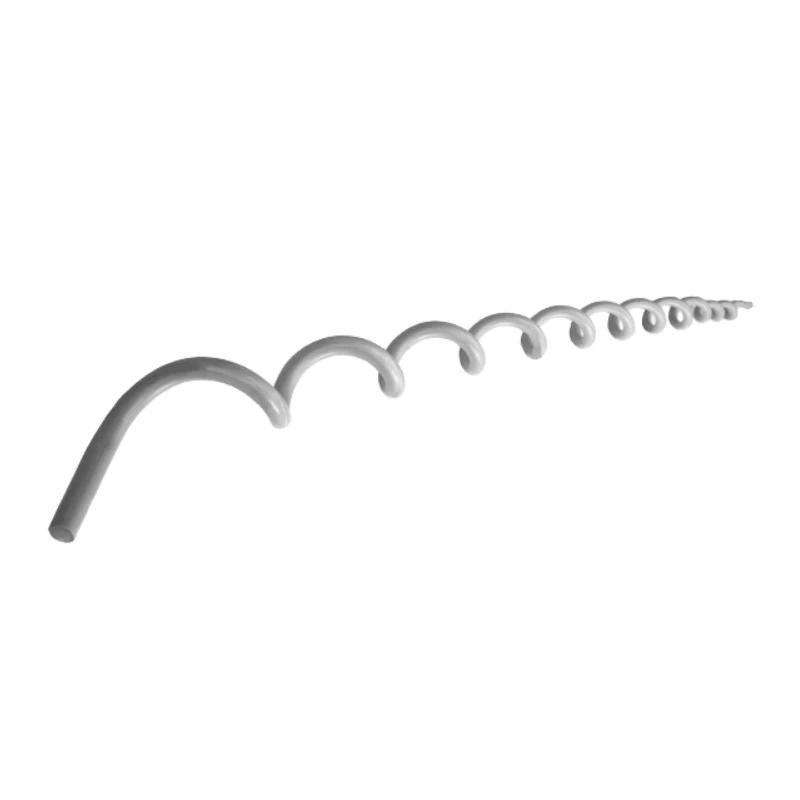

Equipment Used
There are different types of machines available for installing Helical Armor Rods. One common type is a cable armoring machine. This machine is designed to quickly and accurately wrap the Helical Armor Rod around the cable. It can handle large volumes of work in a relatively short time.
Step - by - Step Process
- Set up the Machine: First, you need to set up the cable armoring machine according to the specifications of the cable and the Helical Armor Rod. This includes adjusting the speed, tension, and the pitch of the wrapping.
- Loading the Rod: Load the Helical Armor Rod onto the machine. Make sure it's loaded correctly so that it can be fed smoothly onto the cable.
- Feeding the Cable: Feed the cable through the machine. The machine will automatically wrap the Helical Armor Rod around the cable as it passes through.
- Quality Control: As the cable comes out of the machine, check the installation quality. Look for any loose turns or uneven wrapping. If there are any issues, make the necessary adjustments to the machine.
Machine - assisted installation is much faster than manual installation. It also ensures a more consistent and uniform wrapping of the Helical Armor Rod around the cable.
Special Considerations for Different Cable Environments
The installation method may also need to be adjusted depending on the cable environment.
Underground Cables
When installing Helical Armor Rods on underground cables, you need to be extra careful. The soil conditions can affect the installation. If the soil is very wet or soft, it may be more difficult to keep the cable in place during installation. In such cases, you may need to use additional support structures to hold the cable steady.
Aerial Cables
For aerial cables, wind and vibration are major factors. You may want to consider using additional accessories like Air Flow Spoiler, Vibration Damper, or Spiral Vibration Damper along with the Helical Armor Rod. These accessories can help to reduce the effects of wind and vibration on the cable and the armor rod.
Post - installation Checks
After the Helical Armor Rod is installed, it's important to do some post - installation checks. Check the tightness of the rod. It should be snugly wrapped around the cable without being too tight that it damages the cable. Look for any signs of damage to the rod itself, like bent or broken sections. Also, make sure that the rod is properly aligned with the cable.
Why Choose Our Helical Armor Rods
As a supplier, we take pride in offering high - quality Helical Armor Rods. Our rods are made from top - grade materials that provide excellent protection for cables. They are designed to be easy to install, whether you choose the manual or machine - assisted method. We also offer a wide range of sizes to fit different cable diameters.
If you're in the market for Helical Armor Rods, we'd love to have a chat with you. Whether you're working on a small project or a large - scale installation, we can provide you with the right products and advice. Contact us to start a discussion about your cable protection needs.
References
- Electrical Cable Installation Handbook, Third Edition
- Handbook of Cable Accessories for Power Distribution Networks