

How does a vibration damper influence the energy consumption of a system?
Jul 21, 2025
Vibration is a common phenomenon in many systems, whether it's a mechanical setup in a factory, a vehicle's engine, or even in electrical transmission lines. As a vibration damper supplier, I've seen firsthand how these little devices can have a big impact on a system's energy consumption. In this blog, I'll break down how vibration dampers work and how they can influence the energy use of different systems.
What's a Vibration Damper Anyway?
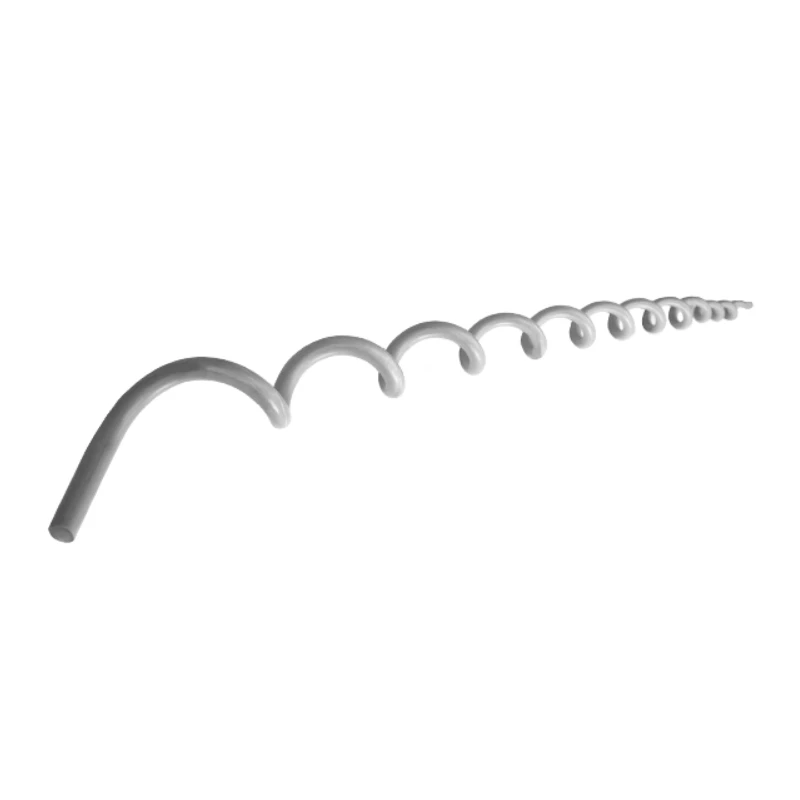
Before we dive into energy consumption, let's quickly talk about what a vibration damper is. A vibration damper is a device designed to reduce or eliminate vibrations in a system. There are different types out there, like the Spiral Vibration Damper and the general Vibration Damper. These dampers come in various shapes and sizes, but their main job is to absorb the energy from vibrations and convert it into heat or dissipate it in some other way.
How Vibrations Waste Energy
Vibrations in a system are basically a form of kinetic energy that's not being used for the intended purpose. In a mechanical system, for example, vibrations can cause parts to move in ways they're not supposed to. This extra movement means that the motor or power source has to work harder to keep the system running smoothly. The same goes for electrical systems. In power lines, vibrations can cause the wires to move, which can lead to increased resistance and, in turn, more energy being wasted as heat.
Let's take a look at a few specific examples to see how vibrations can waste energy:
Mechanical Systems
In a manufacturing plant, a machine with unbalanced parts can create a lot of vibrations. These vibrations can cause the machine to shake, which not only wears out the parts faster but also requires more energy to keep the machine running. The motor has to work harder to overcome the resistance caused by the vibrations, and this extra work means more electricity is being used.
Electrical Systems
In electrical transmission lines, vibrations can be a real problem. The wind can cause the wires to vibrate, and these vibrations can lead to something called corona discharge. Corona discharge is when the air around the wires ionizes, and it can cause a significant amount of energy loss. That's where Corona Coils come in, but we'll talk more about them later.
How Vibration Dampers Save Energy
Now that we know how vibrations waste energy, let's see how vibration dampers can help. When a vibration damper is installed in a system, it absorbs the energy from the vibrations. This means that the system doesn't have to work as hard to overcome the vibrations, and as a result, less energy is used.
Reducing Friction
One way vibration dampers save energy is by reducing friction. In a mechanical system, vibrations can cause parts to rub against each other, which creates friction. Friction is a force that opposes motion, so the motor has to work harder to overcome it. By reducing the vibrations, the damper reduces the friction between the parts, which means the motor doesn't have to use as much energy.
Stabilizing the System
Vibration dampers also help to stabilize the system. In a vehicle, for example, a well-designed damper can keep the wheels in contact with the road, which improves traction and reduces the amount of energy needed to move the vehicle. In an electrical system, a damper can prevent the wires from vibrating, which reduces the risk of corona discharge and other energy-wasting phenomena.
Real-World Examples
Let's look at some real-world examples of how vibration dampers have helped to reduce energy consumption:
Wind Turbines
Wind turbines are a great example of a system that can benefit from vibration dampers. The blades of a wind turbine are constantly exposed to the wind, which can cause them to vibrate. These vibrations can not only damage the blades but also reduce the efficiency of the turbine. By installing vibration dampers, the vibrations can be reduced, which means the turbine can generate more electricity with less energy input.
Industrial Machinery
In an industrial setting, vibration dampers can be used to reduce the energy consumption of machinery. For example, in a conveyor belt system, vibrations can cause the belt to slip, which means the motor has to work harder to keep the belt moving. By installing a vibration damper, the vibrations can be reduced, and the belt can run more smoothly, which saves energy.
Choosing the Right Vibration Damper
Not all vibration dampers are created equal, and choosing the right one for your system is crucial. There are a few things to consider when choosing a vibration damper:
System Requirements
The first thing to consider is the requirements of your system. You need to know the frequency and amplitude of the vibrations in your system, as well as the type of environment the damper will be operating in. For example, if your system is exposed to high temperatures or corrosive chemicals, you'll need a damper that can withstand these conditions.

Performance
You also need to consider the performance of the damper. Look for a damper that has a high damping ratio, which means it can absorb more energy from the vibrations. You should also consider the durability of the damper, as you don't want to have to replace it too often.
Conclusion
As a vibration damper supplier, I've seen how these devices can make a big difference in a system's energy consumption. By reducing vibrations, vibration dampers can help to save energy, improve the efficiency of the system, and extend the lifespan of the components. Whether you're in the manufacturing industry, the automotive industry, or the energy sector, there's a good chance that a vibration damper can help you to reduce your energy costs.
If you're interested in learning more about how vibration dampers can benefit your system or if you're looking to purchase vibration dampers for your project, I'd love to hear from you. Contact us to start a conversation about your specific needs and how we can help you find the right solution.
References
- Meirovitch, L. (1986). Elements of Vibration Analysis. McGraw-Hill.
- Rao, S. S. (2011). Mechanical Vibrations. Pearson.
- Den Hartog, J. P. (1985). Mechanical Vibrations. Dover Publications.