

How do dust - proof protective fittings work?
Aug 27, 2025
Dust-proof protective fittings play a crucial role in safeguarding various equipment and systems from the detrimental effects of dust and other particulate matter. As a leading supplier of protective fittings, I am often asked about how these remarkable devices work. In this blog post, I will delve into the mechanisms behind dust-proof protective fittings, exploring their design, functionality, and the benefits they offer.
The Design of Dust-Proof Protective Fittings
The design of dust-proof protective fittings is carefully engineered to create a barrier between the protected equipment and the surrounding environment. These fittings are typically made from high-quality materials that are resistant to dust penetration, such as rubber, plastic, or metal. The choice of material depends on the specific application and the level of protection required.
One common design feature of dust-proof protective fittings is the use of seals and gaskets. These components are designed to create a tight seal around the equipment, preventing dust from entering through gaps or openings. Seals and gaskets can be made from a variety of materials, including rubber, silicone, and neoprene, and are available in different shapes and sizes to fit a wide range of applications.
Another important design consideration is the shape and structure of the fitting. Many dust-proof protective fittings are designed to conform to the shape of the equipment they are protecting, providing a snug fit that minimizes the risk of dust ingress. Some fittings may also feature additional features, such as ribs or channels, that help to direct dust away from the equipment and prevent it from accumulating in critical areas.
How Dust-Proof Protective Fittings Work
The primary function of dust-proof protective fittings is to prevent dust and other particulate matter from entering the protected equipment. This is achieved through a combination of physical barriers and filtration mechanisms.
Physical barriers, such as seals and gaskets, create a tight seal around the equipment, preventing dust from entering through gaps or openings. These barriers can be highly effective at blocking large particles of dust, but they may not be sufficient to prevent the ingress of smaller particles.
To address this issue, many dust-proof protective fittings incorporate filtration mechanisms. These mechanisms are designed to capture and remove dust particles from the air before they can reach the equipment. Filtration can be achieved through a variety of methods, including mechanical filtration, electrostatic filtration, and chemical filtration.
Mechanical filtration is the most common method of filtration used in dust-proof protective fittings. This method involves passing the air through a filter media, such as a mesh or a fibrous material, that traps dust particles as they pass through. The filter media can be designed to capture particles of different sizes, depending on the specific application and the level of protection required.
Electrostatic filtration is another method of filtration that is commonly used in dust-proof protective fittings. This method involves using an electrostatic charge to attract and capture dust particles. Electrostatic filters can be highly effective at capturing small particles of dust, but they may require a power source to operate.
Chemical filtration is a less common method of filtration that is used in some specialized applications. This method involves using a chemical agent to react with and neutralize dust particles. Chemical filters can be effective at removing certain types of dust, such as those that are acidic or alkaline, but they may not be suitable for all applications.
Benefits of Dust-Proof Protective Fittings
The use of dust-proof protective fittings offers a number of benefits for both the equipment and the users. Some of the key benefits include:
- Improved equipment performance: Dust can cause a variety of problems for equipment, including reduced efficiency, increased wear and tear, and premature failure. By preventing dust from entering the equipment, dust-proof protective fittings can help to improve its performance and extend its lifespan.
- Enhanced safety: Dust can pose a safety hazard to users, especially in environments where it can cause respiratory problems or other health issues. By preventing dust from being released into the air, dust-proof protective fittings can help to create a safer working environment.
- Reduced maintenance costs: Dust can accumulate inside equipment over time, causing it to become dirty and clogged. This can lead to increased maintenance costs, as the equipment may need to be cleaned or repaired more frequently. By preventing dust from entering the equipment, dust-proof protective fittings can help to reduce maintenance costs and downtime.
- Compliance with regulations: In some industries, there are regulations and standards that require the use of dust-proof protective fittings to protect workers and the environment. By using these fittings, companies can ensure that they are in compliance with these regulations and avoid potential fines or legal issues.
Types of Dust-Proof Protective Fittings
There are a wide variety of dust-proof protective fittings available on the market, each designed for a specific application and level of protection. Some of the most common types of dust-proof protective fittings include:
- Seals and gaskets: These are the most basic type of dust-proof protective fittings and are used to create a tight seal around the equipment. Seals and gaskets can be made from a variety of materials, including rubber, silicone, and neoprene, and are available in different shapes and sizes to fit a wide range of applications.
- Filters: Filters are used to capture and remove dust particles from the air before they can reach the equipment. Filters can be made from a variety of materials, including mesh, fibrous materials, and activated carbon, and are available in different sizes and efficiencies to meet the specific needs of the application.
- Housings and enclosures: Housings and enclosures are used to provide a physical barrier around the equipment, protecting it from dust and other environmental hazards. Housings and enclosures can be made from a variety of materials, including plastic, metal, and fiberglass, and are available in different sizes and shapes to fit a wide range of applications.
- Cable glands and connectors: Cable glands and connectors are used to provide a dust-proof seal around cables and wires, preventing dust from entering the equipment through the cable entry points. Cable glands and connectors can be made from a variety of materials, including rubber, plastic, and metal, and are available in different sizes and configurations to fit a wide range of applications.
Applications of Dust-Proof Protective Fittings
Dust-proof protective fittings are used in a wide variety of industries and applications, including:
- Electronics: Dust can cause a variety of problems for electronic equipment, including reduced performance, increased wear and tear, and premature failure. Dust-proof protective fittings are used to protect electronic components, such as circuit boards, processors, and hard drives, from the harmful effects of dust.
- Automotive: Dust can also cause problems for automotive components, such as engines, transmissions, and brakes. Dust-proof protective fittings are used to protect these components from the harmful effects of dust and other environmental hazards.
- Industrial: In industrial settings, dust can be a major problem, especially in environments where there is a lot of machinery and equipment. Dust-proof protective fittings are used to protect industrial equipment, such as motors, pumps, and compressors, from the harmful effects of dust and other particulate matter.
- Medical: In the medical industry, dust can pose a serious risk to patient safety, especially in environments where there are sensitive medical equipment and devices. Dust-proof protective fittings are used to protect medical equipment, such as ventilators, monitors, and surgical instruments, from the harmful effects of dust and other contaminants.
Conclusion
Dust-proof protective fittings are an essential component of many equipment and systems, providing a reliable and effective way to protect them from the harmful effects of dust and other particulate matter. By understanding how these fittings work and the benefits they offer, you can make informed decisions about which type of fitting is best suited for your specific application.
As a leading supplier of protective fittings, we offer a wide range of dust-proof protective fittings to meet the needs of our customers. Our fittings are made from high-quality materials and are designed to provide reliable and long-lasting protection. Whether you are looking for seals and gaskets, filters, housings and enclosures, or cable glands and connectors, we have the right solution for you.

If you are interested in learning more about our dust-proof protective fittings or would like to discuss your specific requirements, please contact us today. Our team of experts will be happy to assist you and provide you with the information and support you need to make the right decision.
References
- "Dust Control Technology Handbook" by Arthur W. Muschelknautz
- "Filtration and Separation" by Peter A. Schweitzer
- "Industrial Ventilation: A Manual of Recommended Practice" by the American Conference of Governmental Industrial Hygienists
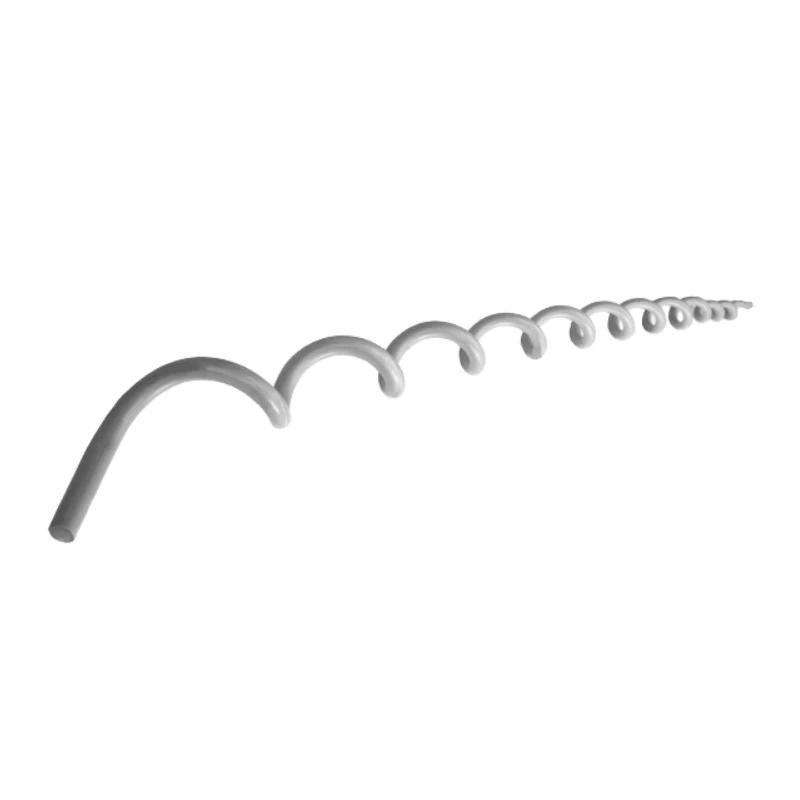
In addition, you may be interested in our other protective fitting products such as Vibration Damper, Helical Armor Rod, and Spiral Vibration Damper. If you have any needs for these products or other protective fittings, feel free to contact us for procurement and further negotiation.