

How do air flow spoilers work in combination with a vehicle's wheels and tires?
Jan 07, 2026
In the automotive world, the pursuit of enhanced performance, stability, and efficiency drives continuous innovation. Among the many components that contribute to a vehicle's overall performance, air flow spoilers play a crucial role when combined with a vehicle's wheels and tires. As an Air Flow Spoiler supplier, I'm excited to delve into the science behind how these elements work together to optimize a vehicle's dynamics.
The Basics of Air Flow Spoilers
Air flow spoilers are aerodynamic devices designed to disrupt and manipulate the airflow around a vehicle. By altering the way air moves over, under, and around the car, spoilers can reduce drag, increase downforce, and improve overall stability at high speeds. The design and placement of spoilers vary depending on the vehicle type and its intended use. For instance, a race car may feature a large, adjustable spoiler to maximize downforce during high-speed cornering, while a sports sedan might have a more subtle spoiler for improved aesthetics and a moderate increase in performance.
Understanding the Role of Wheels and Tires
Wheels and tires are the only points of contact between a vehicle and the road, making them crucial for traction, handling, and overall performance. The design, size, and tread pattern of the tires, as well as the material and construction of the wheels, all impact how the vehicle interacts with the road surface. For example, wider tires provide more surface area for traction, while high-performance wheels can reduce unsprung weight, improving acceleration, braking, and handling.
How Air Flow Spoilers Work with Wheels and Tires
When considering the combination of air flow spoilers, wheels, and tires, it's important to understand how each component affects the others. One of the key ways spoilers work in conjunction with wheels and tires is by reducing drag. As a vehicle moves through the air, it creates a low-pressure area behind it, which can act like a vacuum, pulling the vehicle back and increasing drag. Spoilers help to disrupt this low-pressure area, reducing the drag force and allowing the vehicle to move more efficiently.
This reduction in drag not only improves fuel efficiency but also allows the engine to work less hard, potentially increasing acceleration and top speed. With less drag, the vehicle can maintain higher speeds with less energy consumption, making it more competitive on the track or more economical on the road.
In addition to reducing drag, air flow spoilers also work to increase downforce. Downforce is the force that presses the vehicle down onto the road surface, increasing traction and improving stability. By creating a downward force on the rear of the vehicle, spoilers help to keep the tires in better contact with the road, especially during high-speed maneuvers such as cornering or braking.
This increased traction allows the tires to grip the road more effectively, reducing the risk of skidding or losing control. The improved stability also makes the vehicle more predictable and easier to handle, giving the driver more confidence behind the wheel.
The Influence of Spoilers on Wheel and Tire Performance
The impact of air flow spoilers on wheel and tire performance is not limited to reducing drag and increasing downforce. Spoilers can also affect the temperature and wear of the wheels and tires. By improving the airflow around the wheels, spoilers can help to cool the brakes and tires, reducing the risk of overheating and improving their performance and longevity.
In high-performance driving situations, such as racing or track days, the brakes and tires can generate a significant amount of heat. Overheating can cause the tires to lose traction and the brakes to fade, reducing the vehicle's performance and safety. By promoting better airflow, spoilers help to dissipate this heat, keeping the wheels and tires at optimal operating temperatures.
Furthermore, the increased downforce provided by spoilers can help to distribute the weight of the vehicle more evenly across the tires. This results in more uniform tire wear, extending the life of the tires and reducing the need for frequent replacements.
Types of Air Flow Spoilers and Their Compatibility with Wheels and Tires
There are several types of air flow spoilers available, each with its own unique design and function. The most common types include rear spoilers, front spoilers, and side skirts. Rear spoilers are typically installed on the trunk or rear deck of a vehicle and are designed to increase downforce at the rear wheels. Front spoilers, also known as air dams, are located at the front of the vehicle and help to reduce drag by redirecting the airflow under the car. Side skirts are installed along the sides of the vehicle and help to smooth the airflow around the wheels, reducing turbulence and improving stability.
When choosing an air flow spoiler for a vehicle, it's important to consider the compatibility with the wheels and tires. The size, shape, and placement of the spoiler can affect the way the air flows around the wheels, which in turn can impact the performance of the tires. For example, a large rear spoiler may create a significant amount of downforce, which could require wider or higher-performance tires to handle the increased load.
Real-World Applications and Benefits
The combination of air flow spoilers, wheels, and tires has been proven to have significant benefits in real-world applications. In the racing industry, teams invest heavily in aerodynamic research and development to optimize the performance of their vehicles. By using advanced spoilers, lightweight wheels, and high-performance tires, race cars can achieve maximum speed, stability, and handling on the track.
In the consumer automotive market, air flow spoilers are becoming increasingly popular as more drivers look for ways to improve the performance and aesthetics of their vehicles. Whether it's a sports car enthusiast looking to enhance the handling of their vehicle or a commuter looking to improve fuel efficiency, air flow spoilers can offer a cost-effective solution.
Conclusion and Call to Action
In conclusion, air flow spoilers play a vital role when combined with a vehicle's wheels and tires. By reducing drag, increasing downforce, and improving the airflow around the wheels, spoilers can enhance a vehicle's performance, stability, and efficiency. As an Air Flow Spoiler supplier, we are committed to providing high-quality products that are designed to meet the specific needs of our customers.
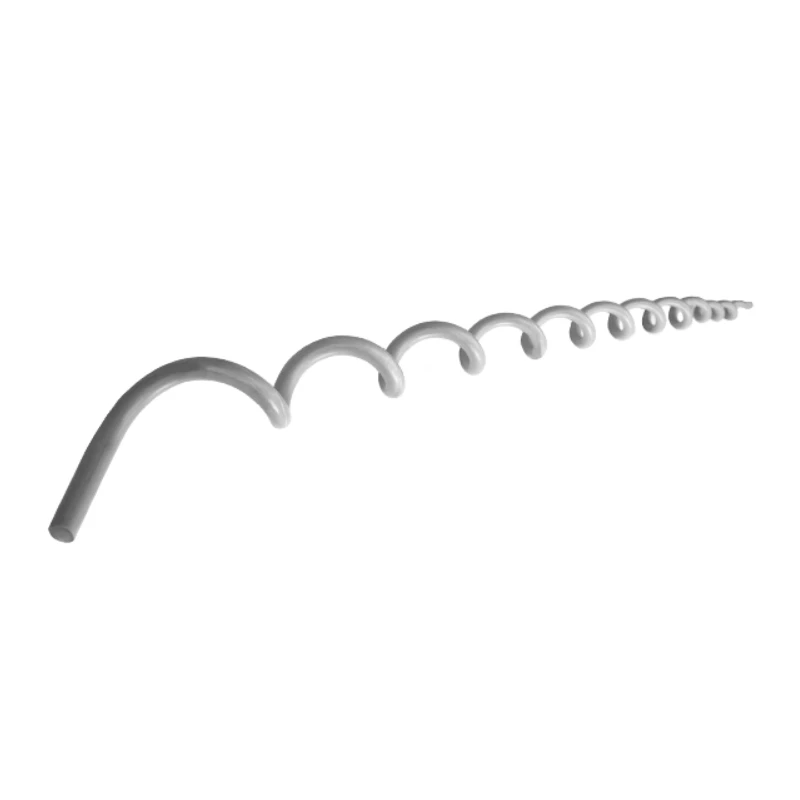
If you're interested in learning more about our Air Flow Spoilers or are looking to enhance the performance of your vehicle, we invite you to visit our website Air Flow Spoiler. We also offer a range of other products, including Spiral Vibration Damper and Helical Armor Rod, to meet your various needs. Contact us today to discuss your requirements and start your journey towards a more optimized vehicle.

References
- Smith, J. (2020). Aerodynamics in Automotive Design. New York: AutoTech Press.
- Johnson, A. (2018). The Science of Tires and Wheels. London: Motoring Publishers.
- Lee, C. (2019). Advanced Air Flow Spoilers for High-Performance Vehicles. Tokyo: Automotive Innovations Journal.