

Can protective fittings be used in the medical industry?
Aug 07, 2025
In recent years, the question of whether protective fittings can be utilized in the medical industry has gained significant attention. As a supplier of protective fittings, I have witnessed the diverse applications of these products across various sectors. This blog aims to explore the potential uses of protective fittings in the medical field, considering their features, benefits, and challenges.
Understanding Protective Fittings
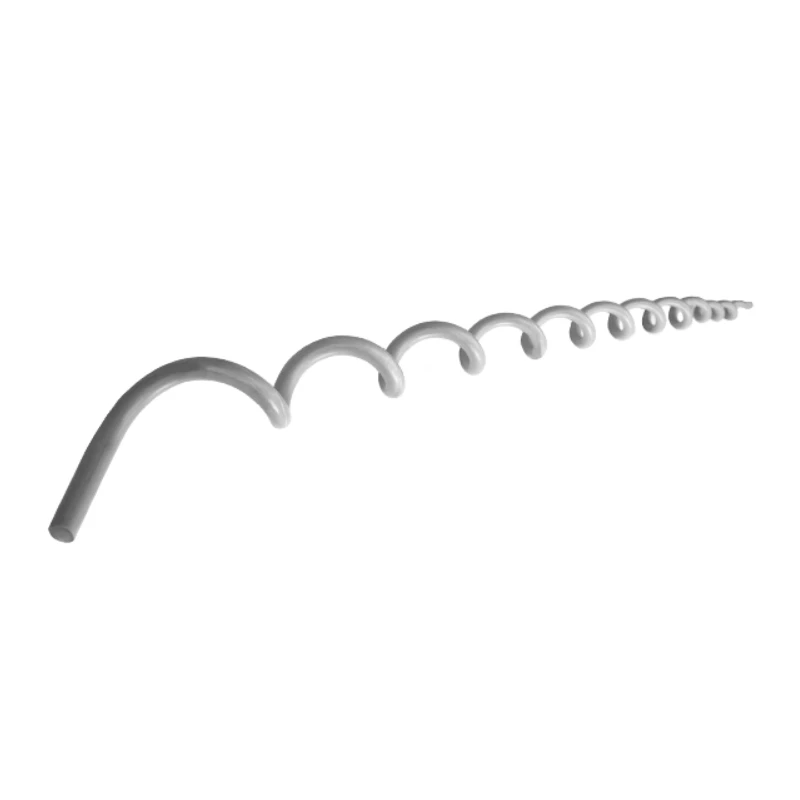
Protective fittings are designed to safeguard equipment, structures, or individuals from various forms of damage or wear. They come in a wide range of types and materials, each tailored to specific applications. For example, Air Flow Spoiler is commonly used in the telecommunications industry to protect optical cables from wind-induced vibrations and damage. Similarly, Vibration Damper and Spiral Vibration Damper are employed to reduce the impact of vibrations on structures and equipment.
Potential Applications in the Medical Industry
Protection of Medical Equipment
Medical equipment is often expensive and sensitive, requiring protection from physical damage, vibrations, and environmental factors. Protective fittings can play a crucial role in safeguarding these devices. For instance, vibration dampers can be used to reduce the impact of vibrations on delicate medical instruments, such as MRI machines and ultrasound scanners. This helps to maintain the accuracy and reliability of the equipment, ensuring optimal performance and patient safety.
Patient Safety
In the medical environment, patient safety is of utmost importance. Protective fittings can contribute to creating a safer environment for patients. For example, anti-slip fittings can be installed on floors and walkways to prevent falls, especially in areas where patients may be at a higher risk, such as hospitals and nursing homes. Additionally, protective barriers and guards can be used to prevent patients from coming into contact with hazardous equipment or areas.
Infection Control
Infection control is a critical aspect of the medical industry. Protective fittings can be designed to meet strict hygiene standards and help prevent the spread of infections. For example, disposable protective covers can be used to protect medical equipment from contamination, reducing the risk of cross-infection between patients. These covers can be easily replaced after each use, ensuring a clean and safe environment.

Transportation of Medical Supplies
The transportation of medical supplies, such as vaccines and blood products, requires careful handling to maintain their integrity. Protective fittings can be used to ensure the safe transportation of these supplies. For example, shock-absorbing fittings can be installed in transport containers to protect the contents from damage during transit. This helps to prevent the loss of valuable medical supplies and ensures that they reach their destination in good condition.
Benefits of Using Protective Fittings in the Medical Industry
Cost Savings
By protecting medical equipment from damage and wear, protective fittings can help to reduce maintenance and replacement costs. Additionally, preventing patient falls and injuries can lead to significant cost savings in terms of medical treatment and legal liability.
Improved Equipment Performance
The use of protective fittings can enhance the performance and reliability of medical equipment. By reducing vibrations and protecting against environmental factors, the equipment can operate more efficiently, resulting in better patient outcomes.
Enhanced Patient Safety
As mentioned earlier, protective fittings can contribute to creating a safer environment for patients. This can help to reduce the risk of accidents and injuries, improving patient satisfaction and trust in the medical facility.
Compliance with Regulations
The medical industry is subject to strict regulations and standards. Using protective fittings that meet these requirements can help medical facilities to comply with the regulations and avoid potential penalties.
Challenges and Considerations
Regulatory Requirements
The medical industry is highly regulated, and any products used in this field must meet strict safety and quality standards. Before using protective fittings in the medical industry, it is essential to ensure that they comply with the relevant regulations and requirements. This may involve obtaining certifications and approvals from regulatory bodies.
Compatibility with Medical Equipment
When selecting protective fittings for medical equipment, it is crucial to ensure that they are compatible with the specific device. The fittings should not interfere with the normal operation of the equipment or compromise its functionality.
Hygiene and Cleaning
As mentioned earlier, infection control is a critical aspect of the medical industry. Protective fittings must be designed to be easily cleaned and disinfected to prevent the spread of infections. It is important to choose materials and designs that are resistant to bacteria and other pathogens.
Cost-Effectiveness
While protective fittings can offer significant benefits, it is important to consider the cost-effectiveness of using them. The cost of the fittings should be weighed against the potential savings in terms of equipment protection, patient safety, and compliance with regulations.
Conclusion
In conclusion, protective fittings have the potential to be used in the medical industry to protect medical equipment, ensure patient safety, control infections, and facilitate the transportation of medical supplies. However, it is important to carefully consider the regulatory requirements, compatibility with medical equipment, hygiene and cleaning, and cost-effectiveness before implementing these products. As a supplier of protective fittings, I am committed to providing high-quality products that meet the specific needs of the medical industry. If you are interested in learning more about our protective fittings or discussing potential applications in the medical field, please feel free to contact us for a consultation. We look forward to working with you to enhance the safety and efficiency of your medical facility.
References
- [List of relevant industry standards and regulations]
- [Research studies on the use of protective fittings in the medical industry]
- [Case studies of successful implementation of protective fittings in medical facilities]