

Are Corona Coils resistant to vibration?
Nov 20, 2025
Hey there! I'm a supplier of Corona Coils, and today I want to dig into a question that often comes up: Are Corona Coils resistant to vibration?
First off, let's get to know what Corona Coils are. Corona Coils, you can check them out Corona Coils, are these nifty little things used in power transmission and distribution systems. They're designed to reduce corona discharge, which is that pesky ionization of the air around high - voltage conductors. When corona discharge happens, it can lead to power loss, radio interference, and even damage to the conductors over time.
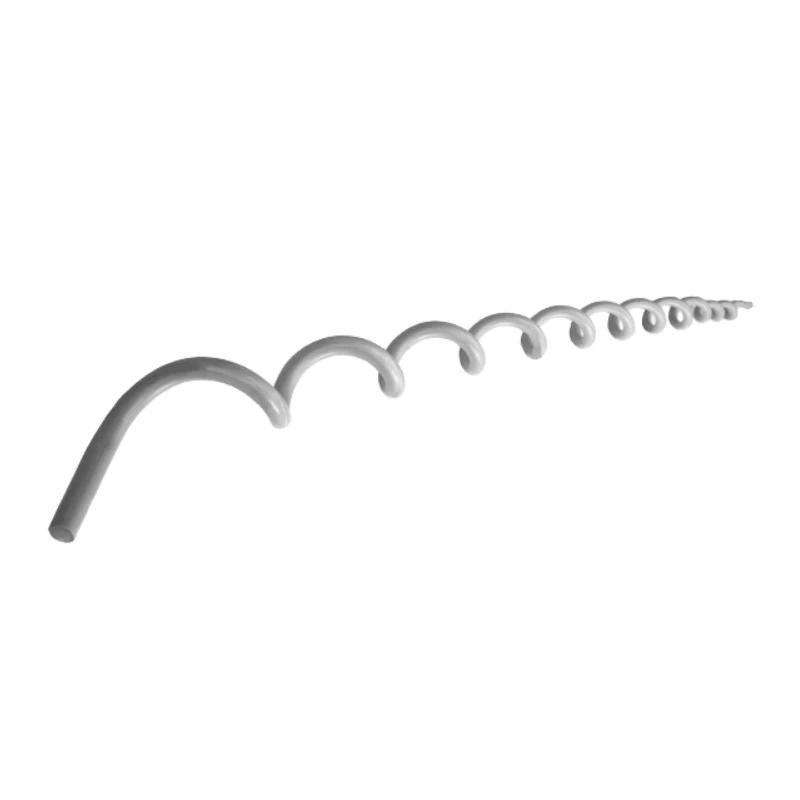

Now, vibration is a real concern in these systems. There are all sorts of things that can cause vibration, like wind blowing across the conductors, mechanical forces from nearby equipment, or even electrical forces themselves. And if a component in the system isn't resistant to vibration, it can lead to all kinds of problems.
Let's talk about the construction of Corona Coils. They're usually made from high - quality materials like aluminum or copper. These materials are chosen not just for their electrical conductivity but also for their durability. Aluminum, for example, is lightweight yet strong. It can withstand a fair amount of mechanical stress, which includes vibration. The coils are also designed with a specific shape and winding pattern. This isn't just for show; it's engineered to make the coils stable and less likely to be affected by vibration.
When it comes to the science behind vibration resistance, it's all about the natural frequency of the Corona Coil. Every object has a natural frequency at which it tends to vibrate. If the frequency of the external vibration matches the natural frequency of the coil, it can cause resonance. Resonance is a big no - no because it can lead to excessive vibration and potentially damage the coil. The designers of Corona Coils take this into account. They make sure that the natural frequency of the coil is far from the frequencies of the common external vibrations in the power system.
In real - world applications, Corona Coils have proven to be quite resistant to vibration. I've heard from many customers who've installed our Corona Coils in areas with high wind speeds. These coils have been in place for years, and there have been no issues related to vibration - induced damage. They've continued to perform their job of reducing corona discharge effectively, even in the face of constant wind - induced vibration.
But, and this is an important but, no component is completely immune to vibration. In some extreme cases, like during a severe storm or an earthquake, the vibration can be so intense that it might affect the Corona Coils. That's where additional protective measures come in.
One option is to use vibration dampers. There are different types of vibration dampers available, like the Spiral Vibration Damper and the Vibration Damper. These dampers work by absorbing or dissipating the energy of the vibration. They can be installed near the Corona Coils to reduce the amount of vibration that the coils are exposed to.
Another thing to consider is the installation process. A proper installation is crucial for ensuring the vibration resistance of Corona Coils. If the coils are not installed correctly, they might be more prone to vibration - related problems. For example, if the mounting brackets are loose, the coils can move around more easily when exposed to vibration. So, it's important to follow the installation instructions carefully.
Let's compare Corona Coils with some other components in the power system. Some other components might be more sensitive to vibration. For instance, some types of insulators can be damaged by excessive vibration. Corona Coils, on the other hand, are relatively more robust in this regard. Their design and materials give them an edge when it comes to withstanding vibration.
I also want to mention the testing that goes into making sure our Corona Coils are vibration - resistant. Before they leave the factory, the coils go through a series of tests. These include vibration tests where the coils are subjected to different frequencies and amplitudes of vibration. We make sure that they can handle the vibrations that they're likely to encounter in the real world. Only after passing these tests are the coils ready to be shipped to our customers.
In conclusion, Corona Coils are generally resistant to vibration. Their construction, design, and the materials used all contribute to their ability to withstand the mechanical stress caused by vibration. However, in extreme situations, additional protective measures like vibration dampers can be used. If you're in the market for Corona Coils and are concerned about vibration, rest assured that our products are up to the task.
If you're interested in purchasing Corona Coils for your power system, I'd love to have a chat with you. We can discuss your specific needs and how our Corona Coils can meet them. Whether you're dealing with high - wind areas or just want a reliable component for your power transmission, we've got you covered.
References
- Electrical Power System Design and Analysis textbooks
- Industry reports on power system component performance