

How to upgrade OPGW Cable Guy Grips 70KN?
Dec 03, 2025
As a supplier of OPGW Cable Guy Grips 70KN, I understand the importance of keeping up with the latest technologies and practices to ensure the optimal performance of these essential components in optical cable installations. Upgrading OPGW Cable Guy Grips 70KN can enhance their reliability, durability, and overall efficiency. In this blog post, I will share some valuable insights on how to upgrade these grips effectively.
Understanding the Basics of OPGW Cable Guy Grips 70KN
Before diving into the upgrade process, it's crucial to have a clear understanding of what OPGW Cable Guy Grips 70KN are and their role in optical cable systems. OPGW (Optical Ground Wire) is a type of cable that combines optical fibers with electrical conductors, providing both communication and grounding functions. Guy grips are used to secure the OPGW cable to the supporting structures, such as poles or towers, ensuring its stability and proper tension.
The 70KN rating indicates the maximum load capacity of the guy grips, which means they can withstand a pulling force of up to 70 kilonewtons. This high load capacity is essential for maintaining the integrity of the OPGW cable, especially in harsh environmental conditions or areas with high wind speeds.
Assessing the Current Condition of the Guy Grips
The first step in upgrading OPGW Cable Guy Grips 70KN is to assess their current condition. This involves conducting a thorough inspection of the grips to identify any signs of wear, damage, or corrosion. Look for cracks, deformation, or loose fittings that could compromise the grip's performance.
It's also important to check the tension of the guy grips to ensure they are properly adjusted. Over-tightening or under-tightening the grips can lead to premature failure or reduced load capacity. Use a tension meter to measure the tension accurately and make any necessary adjustments.
Identifying the Upgrading Needs
Based on the inspection results, you can identify the specific upgrading needs of the OPGW Cable Guy Grips 70KN. Some common reasons for upgrading include:
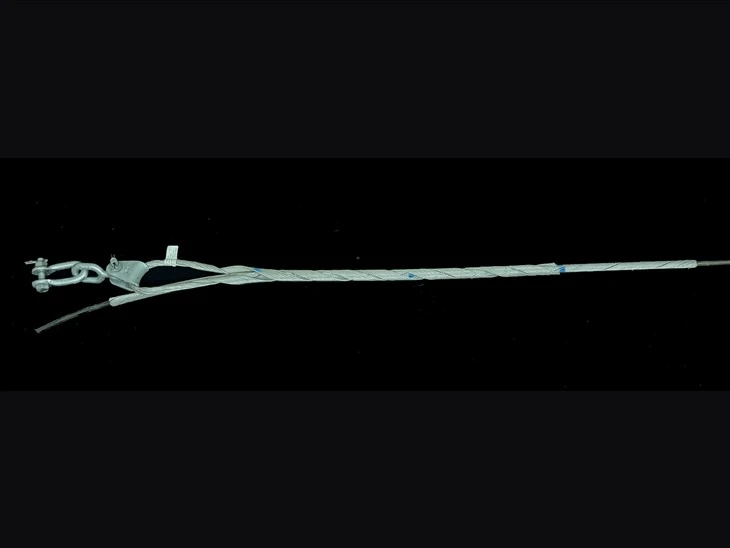

- Enhanced Load Capacity: If the existing guy grips are approaching their maximum load capacity or if the installation requires a higher load capacity, upgrading to grips with a higher rating may be necessary.
- Improved Durability: In areas with harsh environmental conditions, such as extreme temperatures, high humidity, or exposure to chemicals, upgrading to guy grips made from more durable materials can increase their lifespan and reduce maintenance costs.
- Advanced Design Features: Newer models of guy grips may incorporate advanced design features, such as improved gripping mechanisms or anti-corrosion coatings, which can enhance their performance and reliability.
- Compliance with Standards: Upgrading to guy grips that meet the latest industry standards and regulations can ensure the safety and compliance of the optical cable installation.
Selecting the Right Upgraded Guy Grips
Once you have identified the upgrading needs, the next step is to select the right upgraded guy grips. Consider the following factors when making your selection:
- Load Capacity: Choose guy grips with a load capacity that meets or exceeds the requirements of the installation. Make sure to consider any future expansion or changes in the load requirements.
- Material Quality: Opt for guy grips made from high-quality materials, such as stainless steel or galvanized steel, which offer excellent corrosion resistance and durability.
- Design Features: Look for guy grips with advanced design features, such as self-locking mechanisms or adjustable gripping force, which can improve their ease of installation and performance.
- Compatibility: Ensure that the upgraded guy grips are compatible with the existing OPGW cable and the supporting structures. Check the dimensions, fitting sizes, and installation requirements to ensure a proper fit.
- Certification and Standards: Select guy grips that are certified to meet the relevant industry standards and regulations, such as ISO, ASTM, or IEC standards. This ensures the quality and reliability of the product.
Installing the Upgraded Guy Grips
Once you have selected the right upgraded guy grips, it's time to install them. Follow these steps to ensure a proper installation:
- Prepare the Work Area: Before starting the installation, make sure the work area is clean, safe, and free from any obstacles. Use appropriate safety equipment, such as gloves and safety glasses, to protect yourself from injury.
- Remove the Existing Guy Grips: Carefully remove the existing guy grips from the OPGW cable and the supporting structures. Use the appropriate tools, such as wrenches or pliers, to loosen the fittings and remove the grips.
- Inspect the Cable and Structures: Before installing the upgraded guy grips, inspect the OPGW cable and the supporting structures for any damage or wear. Make any necessary repairs or replacements to ensure the integrity of the installation.
- Install the Upgraded Guy Grips: Follow the manufacturer's instructions to install the upgraded guy grips. Make sure to align the grips properly with the cable and the supporting structures and tighten the fittings securely.
- Adjust the Tension: Use a tension meter to measure the tension of the guy grips and adjust it to the recommended level. Make sure to follow the manufacturer's guidelines for the proper tension adjustment.
- Test the Installation: Once the installation is complete, test the guy grips to ensure they are functioning properly. Apply a small pulling force to the cable and check for any signs of slippage or movement. If any issues are detected, make the necessary adjustments or repairs.
Maintaining the Upgraded Guy Grips
After installing the upgraded guy grips, it's important to maintain them regularly to ensure their long-term performance and reliability. Here are some maintenance tips:
- Inspect Regularly: Conduct regular inspections of the guy grips to check for any signs of wear, damage, or corrosion. Look for cracks, deformation, or loose fittings and make any necessary repairs or replacements.
- Clean the Grips: Keep the guy grips clean and free from dirt, debris, and other contaminants. Use a mild detergent and water to clean the grips and dry them thoroughly before reinstalling them.
- Lubricate the Fittings: Apply a small amount of lubricant to the fittings of the guy grips to prevent rust and corrosion. Make sure to use a lubricant that is compatible with the materials of the grips.
- Check the Tension: Periodically check the tension of the guy grips to ensure it remains within the recommended range. Use a tension meter to measure the tension accurately and make any necessary adjustments.
- Follow Manufacturer's Recommendations: Follow the manufacturer's recommendations for maintenance and servicing of the guy grips. This may include specific cleaning procedures, lubrication intervals, or replacement schedules.
Conclusion
Upgrading OPGW Cable Guy Grips 70KN is an important step in ensuring the reliability and performance of optical cable installations. By assessing the current condition of the grips, identifying the upgrading needs, selecting the right upgraded guy grips, and following proper installation and maintenance procedures, you can enhance the load capacity, durability, and overall efficiency of the guy grips.
If you are looking for high-quality OPGW Cable Guy Grips 70KN or other optical cable fittings, we are here to help. We offer a wide range of products, including ADSS Cable Guy Grips 500M, ADSS Cable Guy Grips 300M, and ADSS Cable Guy Grips 700M, all of which are designed to meet the highest industry standards. Contact us today to discuss your specific requirements and to learn more about our products and services.
References
- "Optical Ground Wire (OPGW) Design and Installation Guide," IEEE Standards Association.
- "Preformed Guy Grips for Optical Cables: A Technical Overview," Cable Manufacturer's Association International.
- "Best Practices for Maintaining Optical Cable Fittings," Telecommunications Industry Association.